
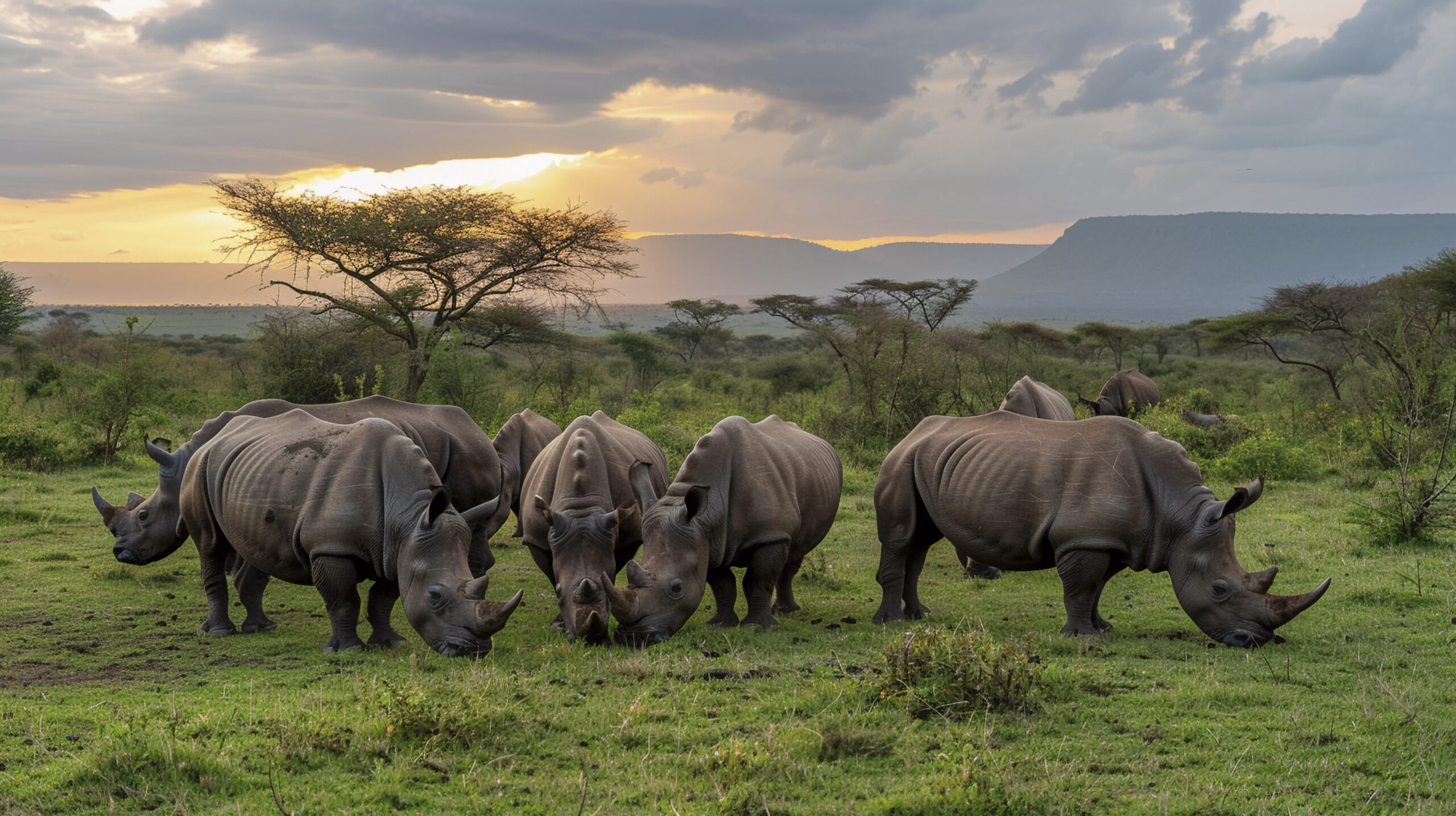
If witnessing one of the world’s greatest wildlife spectacles is on your travel list, a Tanzania great migration safari delivers an experience unlike anywhere else in Africa. Every year, millions of wildebeest, accompanied by zebras and gazelles, move across the Serengeti ecosystem in search of greener grazing grounds. This endless cycle creates unforgettable moments—dramatic river crossings, predator action, and endless plains filled with wildlife.
For travelers planning Serengeti safari tours Tanzania, understanding the migration timing and choosing the right route can make all the difference. Unlike a fixed event, the Great Migration moves throughout the year, meaning the best safari depends on what type of wildlife experience you want.
What Is the Tanzania Great Migration Safari?
The Great Migration is an annual movement of more than 1.5 million wildebeest along with hundreds of thousands of zebras and gazelles across the Serengeti ecosystem and into Kenya’s Maasai Mara before returning south again. This movement follows rainfall patterns and fresh grazing opportunities rather than fixed calendar dates.
What makes this safari extraordinary is that no two journeys are ever exactly the same. Depending on the season, visitors may witness:
- Massive herds stretching to the horizon
- Thousands of newborn calves during calving season
- Predator encounters involving lions, cheetahs, hyenas, and leopards
- Dramatic river crossings filled with tension and movement
- Golden Serengeti landscapes changing throughout the year
This is why Serengeti safari tours Tanzania remain among the most requested wildlife experiences in East Africa.
Best Time for Tanzania Great Migration Safari
Choosing the right season depends on the type of safari experience you want.
January to March – Calving Season (Southern Serengeti & Ndutu)
This period is often considered one of the most rewarding times for photographers and wildlife lovers.
The southern Serengeti and Ndutu region become the center of activity as wildebeest gather to give birth. During only a few weeks, hundreds of thousands of calves are born across the plains. Reports estimate thousands of births daily during peak calving season.
Why visit during this season?
- Excellent predator sightings
- Large concentrated herds
- Green landscapes after seasonal rains
- Great opportunities for wildlife photography
Travelers seeking an immersive Tanzania great migration safari often choose February because of the intense wildlife activity.
April to June – Central and Western Serengeti Movement
As the plains begin drying, herds gradually move northwest.
This period offers:
- Fewer vehicles
- Beautiful green scenery
- Extended game drives
- Excellent opportunities to observe migration movement
The Grumeti area becomes increasingly active as the migration advances.
July to October – Northern Serengeti and River Crossings
This is the season many travelers dream about.
The migration reaches Northern Serengeti, where wildebeest cross dangerous river systems while avoiding predators and strong currents. River crossings are unpredictable, making each sighting feel unique and unforgettable.
Why travelers choose this season:
- Legendary crossing moments
- Excellent big-cat sightings
- Peak safari atmosphere
- High chances of iconic migration photography
November to December – Return Journey
As rains return to the south, herds begin moving back across the Serengeti.
This season provides:
- Fewer crowds
- Fresh landscapes
- Excellent game viewing
- Balanced safari conditions
Best Routes for Serengeti Safari Tours Tanzania
Choosing the correct route is just as important as selecting travel dates.
Route 1: Southern Migration Route – Best for Calving Season
Recommended months: January–March
Typical itinerary:
- Arusha
- Tarangire National Park
- Lake Manyara
- Ngorongoro Crater
- Ndutu Plains
- Southern Serengeti
This route focuses heavily on wildlife concentration and predator action during the birthing season. The 8-day migration itinerary from us follows this seasonal approach with multiple nights positioned around migration activity.
Route 2: Northern Migration Route – Best for River Crossings
Recommended months: July–October
Typical itinerary:
- Arusha
- Central Serengeti
- Northern Serengeti
- Mara River region
- Ngorongoro
This route is designed for travelers prioritizing dramatic crossing experiences.
Route 3: Classic Northern Circuit with Migration Extension
Recommended months: Flexible throughout the year
Typical itinerary:
- Tarangire National Park
- Lake Manyara National Park
- Ngorongoro Crater
- Serengeti National Park
This route combines Tanzania’s famous parks with seasonal migration tracking and works well for first-time safari travelers.
How Long Should a Tanzania Great Migration Safari Be?
Although shorter safaris are available, longer itineraries improve your chances of encountering the migration in active areas.
Recommended durations:
- 5–6 days: Highlights safari
- 7–8 days: Balanced migration experience
- 9–12 days: Deeper Serengeti exploration
- 14+ days: Premium migration and beach combination
An 8-day Serengeti safari tour Tanzania often provides enough flexibility to include multiple ecosystems while maximizing wildlife viewing opportunities.
Tips for Planning Your Great Migration Safari
Book early during peak migration periods, especially July through October and February.
Work with local safari specialists who track herd movement and adjust routes according to seasonal conditions.
Pack neutral-colored clothing, binoculars, sunscreen, and camera equipment with extra storage.
Remain flexible because wildlife follows nature rather than exact schedules.
Community travel discussions often highlight that safari success depends more on positioning and timing than luxury level alone.
Why Choose Serengeti Safari Tours Tanzania?
A safari in Tanzania is more than simply watching animals—it is being present in an ecosystem that changes every day.
From sunrise game drives and endless Serengeti plains to witnessing newborn wildebeest take their first steps or watching herds gather before a river crossing, every moment feels connected to something larger.
Whether you travel during calving season in Ndutu or river crossing season in Northern Serengeti, a carefully planned Tanzania great migration safari creates memories that stay long after the journey ends.
Explore your migration adventure here:
Recent Comments